
1.1 New Nepal (by Shiddicharan Shrestha)
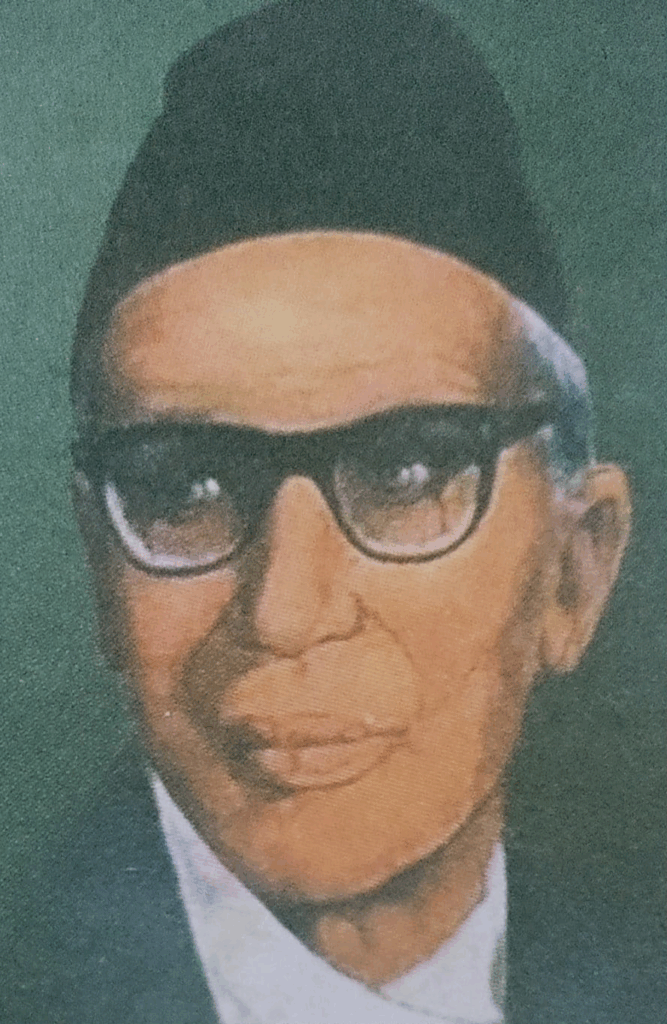
Siddhicharan Shrestha is a famous and respected Nepali poet. He is also known as a revolutionary poet because he wrote poems that asked for revolution (change) and freedom in the society. He wrote this poem when Nepal was under the cruel Rana rule and was suffering from many kinds of unfair old traditions and inequalities. His words gave people hope and courage for a better Nepal.
📝 About this Poem
खासमा यो poem के को बारेमा हो?
This poem is a powerful call for change. It was written when Nepal was under a strict Rana rule. The poet asks the people to wake up and create a new, better country. He wants to remove old problems like injustice (अन्याय) and inequality (असमानता) and build a new nation of justice and equality.
Stanza-wise Simple Summary
(Stanza अनुसारको Summary)
Stanza 1:
The poem begins with a call to rise and wake up. It asks Nepal to speak truth and beauty. It wants the people to show what is hidden inside them.
Stanza 2:
The poet asks Nepal to let pure awareness flow like a strong river. He wants Nepal to jump over the dark and difficult past. He encourages the nation to move ahead with power.
Stanza 3:
The poet asks Nepal to free its courage. This courage was suppressed for ages by injustice. He tells Nepal to throw away old disorder with strong and angry laughter.
Stanza 4:
The poet asks Nepal to take a new step. This step will bring a bright future. He prays for courage, care, strength, and unity for the people.
Stanza 5:
The poet rejects old rituals and harsh class divisions. He wants all useless pressures to disappear. He wants Nepali hearts to open with bright and living thoughts.
Stanza 6:
The poet lastly asks Nepal to remove all acts done by hunger, poverty, and unequal wealth.
Important Exam Questions from this Chapter
यो chapter बाट exam मा आउन सक्ने question हरु के के हुन् त?
📝 Short Answer Questions
Q) Who is the intended audience of the poem? Who is the speaker?
➪ The intended audience of this poem is the people of Nepal. The poet is talking to all Nepali citizens. He wants to wake them up. He wants them to change their country. In the poem, the poet speaks directly to “New Nepal”. This means it speaks to all Nepali citizens.
➪The speaker is the poet, Shiddhicharan Shrestha. He speaks as a patriotic (देशभक्त) Nepali citizen. He represents all people who want change. He speaks with love for his country. He also speaks with anger against old, unfair systems. His voice is like a leader calling people to action.
Q) What is the general context of the poem? What is its theme?
General Context
➪ The poem was written when Nepal had many problems. This was a time of darkness and unfair rule. People were not free. They could not speak the truth. The poet wrote this poem to give people courage. He wanted them to fight the old unfair ways and system.
Theme
➪ The main theme is awakening and transformation. The poet wants Nepal to wake up from sleep. He wants old, bad things to end. He wants new, good things to begin. The theme also includes justice and equality. The poet dreams of a Nepal where all people are treated fairly and equally. He wants justice, truth, and beauty to rule the nation.
Q) Why is courage stifled? What is the effect of such a stifling?
Courage किन दबिएको छ :
Courage is “stifled” (stopped/blocked/kept back) because of long-term oppression (दमन) from the Rana rulers. This means people were treated badly and unfairly for many years. Old rulers punished people who spoke up. When people are punished for speaking, they become quiet and afraid. This is how their courage is killed.
Effect of Stifling:
If courage is suppressed, change cannot happen. The old, unfair rules remain as it is. The country cannot move forward. The main effect is the loss of human respect. People stop asking for their rights. The poet wants to free this courage. This will help Nepal jump over its problems.
Q) Explain the evil elements referred to in the poem?
First Evil Elements (Social): The poet names bad things that separate people. These are the useless old rituals and cruel class divisions (caste systems). These things hurt the nation’s unity. They stop people from being friends. The poet says these bad forces must be thrown away with strong laughter.
Second Evil Elements (Money): The worst evil is poverty and unequal wealth. The rich have too much; the poor have nothing. This difference is “cankerous” (like a bad disease). It forces people with “hungry stomachs” to do wrong things. This poverty destroys humanity. The poet demands that Nepal destroy all these bad parts.
📚 Long Answer Questions
Q) What wrongs of “Old Nepal” does the poet want “New Nepal” to amend?
Wrong 1: Keeping Thoughts and Truth Hidden.
The poet hates the darkness and silence of the old time. Old Nepal forced people to keep their best thoughts “hidden.” The poet wants the New Nepal to “Arise!” and speak the “truth.” The main wrong was killing people’s courage through long oppression. The new nation must free this courage. This will end the bad habit of being afraid and silent.
Wrong 2: Broken Rules and Social Separation.
The poet wants New Nepal to fix the wrongs of bad systems and unfair society. Old Nepal had old, broken disorder and useless rituals. Even worse were the class divisions that kept people apart. These social problems made the country weak. The new nation must destroy all these old rules. It must focus on unity (working together). The poet says Nepal must take a new step away from these old troubles.
Wrong 3: Too Much Poverty and Unequal Money.
The biggest wrong is extreme poverty and the huge gap between rich and poor. The old system made people have “hungry stomachs and bare backs.” The unfair distribution of money forced good people to do bad things just to live. This situation destroys human dignity. The poet asks New Nepal to completely destroy these evils. The new nation must be a place where no one is hungry and everyone has respect and equality.
Q) The poem reads like a prayer. Do you agree? Give reasons.
Yes, I agree. The poem is like a strong prayer. A prayer is a deep request for good things. This poem speaks directly to “O New Nepal.” Like a prayer, it uses strong requests such as “Arise!” and “Wake up!” The poet is asking for blessings for the nation. He wants the country’s best thoughts to flow fast. This shows a deep, loving wish for Nepal’s well-being. This strong appeal for goodness makes the poem feel like a dedicated, national prayer.
It asks for moral strength. The poem asks for things that are not physical goods but good qualities. It asks Nepal for “courage and caution,” and “power and union.” These are the strengths and virtues needed for a better life. In a prayer, people ask God for help and strength. Here, the poet asks the nation to gain these powers. The poem wants to clean up the nation by removing bad rituals and class divisions. This focus on getting moral strength makes the poem feel like a sincere prayer.
It hopes for final freedom and salvation. Even though the poem talks about suffering, it has a final feeling of strong hope. The poet is certain that a “bright day” will come. He wants the “living thoughts” of Nepali people to catch fire and show themselves. This is a call for a great change that will save the nation from all evil. This desire for national safety and a perfect new start, spoken with such strong feeling, makes the whole poem a powerful prayer for the birth of a truly New Nepal.
Complete Text of the Poem (with Original Nepali Version)
New Nepal
by Shiddhicharan Shrestha
Arise! Wake up!
Reveal the hidden
O New Nepal
Speak up truth and beauty!
(जागिदेऊ, विम्झिदेऊ
गुप्त जे छन् खोलिदेऊ
सत्य, सुन्दर बोलिदेऊ
हे नयाँ नेपाल हाम्रो ।)
Let the cleanest current of consciousness
Gush forth with vigour
O New Nepal
Jump up and soar over
This black uphill precipice.
(प्रबल गतिले बग्न देऊ
स्वच्छतम् चैतन्य धारा
यो विषम कालो उकाली
नाघिदेऊ फड्किदेऊ
हे नयाँ नेपाली हाम्रो ।)
Set free the courage
Stifled with age-long persecution
O New Nepal
Send packing the worn-out disorder
With furious laughter.
(धेरै दिनको दलनद्वारा
युग गुगान्तरदेखि रुद्ध
सौर्य हाम्रो जागि देऊ
क्रुद्ध हाँसोमा उडाई
जीर्ण बेथित झारिदेऊ
हे नयाँ नेपाल हाम्रो ।)
Let the advancing foot
Take the new step
To bring forth the bright day
O New Nepal
Bless us with courage and caution
Power and union.
(बढ्न लागेको नवीन
कदम हाम्रो बढ्न देऊ
दिन उज्यालो तान्नलाई
जोश देऊ होश देऊ
हे नयाँ नेपाल हाम्रो ।)
Distasteful rituals
Heartless class divisions
Away with all such idle forces
O New Nepal
Let the living thoughts
Resplendent within Nepali hearts
Conflagrate and open up.
(मन नपर्दो रीतभात
हृदय लुट्ने वर्गजात
व्यर्थको केको दबाब
झुल्कने जाज्वल्यमान
भित्रका जिउँदा बिचार
सकल नेपाली हृदयका
बल्न देऊ, खुल्न देऊ
हे नयाँ नेपाल हाम्रो ।)
Those not-to-be done acts
Performed in desperation
Under the cankerous inequality of wealth
By hungry stomachs and bare backs
Annihilate all such evil elements
O New Nepal!
(गर्ननहुने कर्म के के
विवशताले गर्नलाई
पेट भोको, देह नाङ्गो
विषम सम्पतिले दबाई
मनुजताको ह्रास पार्ने
तत्व सारा मासि देऊ
हे नयाँ नेपाल हाम्रो।)